
Agra Beyond the Taj Mahal: Travel Like a Local with 10 Hidden Places, Real Food and a 2-Day Plan
Published 21 Sep 2026

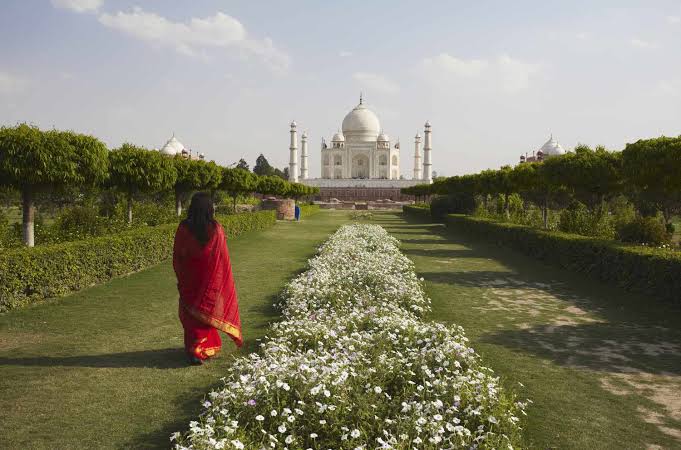
Places to visit in Agra other than Taj Mahal: hidden sights, local food, a 2-day plan and a comfortable stay near the Taj at Hotel Ganga Ratan.
Best Places To Visit in Agra Other Than The Taj Mahal
Most people arrive in Agra with one goal: see the Taj Mahal, take the photo, and leave by evening. It's an understandable plan. It's also why so many visitors never see the rest of the city.
Agra was a Mughal capital for well over a century. Emperors, queens and ministers built tombs, gardens and mosques here, and much of that work is still standing, often with far fewer people around than the Taj. Beyond the monuments, there's a living city of old bazaars, sweet shops, craft workshops and early-morning breakfast counters.
This Agra local travel guide covers the best places to visit in Agra other than the Taj Mahal, the local experiences worth your time, how to group them so you don't waste hours in traffic, and where to base yourself. If you want to travel like a local in Agra, start here.
Agra Beyond the Taj at a Glance
|
Place |
Best for |
Best time of day |
Time needed |
|
Itimad-ud-Daulah (Baby Taj) |
Inlay work, architecture |
Morning |
45–60 min |
|
Mehtab Bagh |
Taj views without crowds |
Sunset |
1 hr |
|
Sikandra (Akbar's Tomb) |
Scale, red sandstone, history |
Early morning |
1–1.5 hrs |
|
Chini Ka Rauza |
Glazed tile work, quiet |
Late afternoon |
30–45 min |
|
Ram Bagh |
Mughal garden layout |
Morning |
45 min |
|
Roman Catholic Cemetery |
Unusual history, John Hessing's tomb |
Morning |
30–45 min |
|
Jama Masjid and Kinari Bazaar |
Old city, shopping, food |
Late afternoon |
2 hrs |
|
Yamuna ghats |
Sunrise views of the Taj |
Sunrise |
1 hr |
|
Fatehpur Sikri |
Abandoned Mughal city |
Morning |
Half day |
|
Soor Sarovar Bird Sanctuary |
Birdwatching |
Early morning, winter |
2–3 hrs |
How to Explore Agra Like a Local
These are simple things to do in Agra beyond tourist spots, and they cost nothing. You don't need insider contacts to explore Agra like a local. A few habits change the whole trip:
- Eat breakfast where residents do: Small counters serving bedai and jalebi fill up by 8 or 9 a.m. If there's a queue, that's your sign.
- Walk the old city in the morning: The lanes around Agra Fort and Jama Masjid are busiest and most photogenic before the heat builds.
- Avoid the midday sun: Locals rest or stay indoors between noon and 3 p.m. in the hot months. Plan monuments early and late, and use the middle of the day for lunch and a break.
- Use local transport for short hops: Auto-rickshaws and e-rickshaws are practical inside the old city. Use a pre-booked cab for spread-out sights like Sikandra and Fatehpur Sikri.
- Buy crafts where you can see them made: Ask about the stone, the process, and the time involved. Good artisans are happy to explain.
- Ask before photographing people, especially in the bazaars and at religious sites.
Best Areas to Explore in Agra
Agra is easier to enjoy once you know how it's laid out. These are the best areas to explore in Agra, with what each is good for:
- Taj Ganj and Fatehabad Road: The area around the Taj Mahal. It's the most convenient base for visitors, with hotels, restaurants, and the Shilpgram crafts village nearby.
- Agra Fort and the old city: Jama Masjid, Kinari Bazaar and the oldest sweet and snack shops. Best for food, shopping and street life.
- Yamuna riverside: Itimad-ud-Daulah, Chini Ka Rauza, Ram Bagh and Mehtab Bagh sit along the river, which makes them easy to combine in one trip.
- Sikandra: Akbar's Tomb and Mariam's Tomb sit in a quieter, more spacious part of the city.
- Sadar Bazaar and the Cantonment area: A more relaxed, colonial-era part of town with shops, cafes, and restaurants.
10 Hidden Places in Agra Beyond the Taj Mahal
1. Itimad-ud-Daulah's Tomb (The "Baby Taj")
If you visit only one place besides the Taj, make it this one.
Nur Jahan, the wife of Emperor Jahangir, built this tomb for her father, Mirza Ghiyas Beg, between roughly 1622 and 1628. Ghiyas Beg served as Jahangir's chief minister. He was also the grandfather of Mumtaz Mahal, the woman the Taj Mahal was built for.
It is small compared to the Taj, but it's remarkable for its detail. It was among the first Mughal buildings finished mostly in white marble, and its walls are covered in pietra dura, inlaid stone in floral and geometric patterns. Historians often treat it as a rehearsal for the Taj, and once you see the inlay up close, it's easy to see why.
Local tip: It sits on the east bank of the Yamuna, so pair it with Chini Ka Rauza and Ram Bagh in one trip.
2. Mehtab Bagh: The Taj Mahal Without the Crowd
Mehtab Bagh is a Mughal-era garden directly across the river from the Taj. Its name means "Moonlight Garden," and the view earns it.
From here you see the Taj from the back, across the water, with no ticket queue and no shoulder-to-shoulder crowds. At sunset the marble shifts from white to gold to soft pink, and this is one of the best photography spots in the city.
You may hear people call it the site of a "Black Taj" that Shah Jahan planned for himself. That story is a popular legend, not established history. Enjoy the view without the myth.
Local tip: Arrive about 45 minutes before sunset so you can walk the garden and get a good spot.
3. Sikandra: Akbar's Tomb
About 10 km outside the centre, Sikandra is the resting place of Emperor Akbar. Akbar began the tomb himself, and it was finished under his son Jahangir in the early 1600s.
The gateway is the first thing you notice: red sandstone, white marble inlay and four tall minarets. Inside the complex, the layout is wide and calm, and you'll often spot deer and langurs on the lawns. Mariam's Tomb, associated with one of Akbar's wives, is nearby and worth a short stop.
Local tip: Go early. The red sandstone glows best in morning light, and it's much cooler before 10 a.m.
4. Chini Ka Rauza
Chini Ka Rauza is the tomb of Afzal Khan Shirazi, a Persian-born scholar and minister under Shah Jahan. It's easy to miss, and that's the appeal. It has very few visitors, and the Persian influence is obvious in its glazed tile decoration, which is rare among Agra's monuments.
Some of the original tilework has worn away, but the parts that survive are striking. It's a good place to slow down and take photographs without anyone in the frame.
5. Ram Bagh (Aram Bagh)
Ram Bagh is generally described as one of the earliest Mughal gardens in India, and its origins are linked to Babur, the first Mughal emperor. It follows the charbagh plan, a garden divided into four sections by walkways and water channels, meant to echo the Islamic idea of paradise.
The layout later shaped how gardens were designed across the Mughal world, including the gardens around the Taj. It's also a peaceful riverside spot, good for a slow walk rather than a checklist visit.
6. The Roman Catholic Cemetery and the John Hessing Tomb
Most visitors are surprised that Agra has a centuries-old Christian cemetery at all. It holds inscribed gravestones from the 17th century onward, including graves of European traders, soldiers and missionaries who lived here.
The best-known tomb is that of John Hessing, a Dutch soldier who served in the Maratha army. His wife, Anne, built the red sandstone tomb in a style that resembles the Taj Mahal. It's a smaller, quieter echo of the original love story, and a good reminder that Agra's history is wider than the Mughal era.
7. Jama Masjid and the Old City
Agra's Jama Masjid was commissioned in 1648 by Jahanara Begum, Shah Jahan's daughter. It stands near Agra Fort, and the lanes around it hold the city's oldest markets, including Kinari Bazaar.
This is the real, loud, colourful Agra: shopkeepers calling out, tiny sweet shops, jewellery stalls, and the smell of frying snacks. Go in the late afternoon when the heat drops. Dress modestly for the mosque and remove your shoes at the entrance.
8. Sunrise Views of the Taj From the Ghats
If you want a view of the Taj that no ticket will give you, head to the Yamuna riverbank at dawn. Dashrath Ghat and Hathi Ghat are two spots often used for sunrise views, with the Taj rising out of the morning haze.
It's free, it's quiet, and it's a good option on Fridays, when the Taj Mahal itself is closed to regular visitors.
9. Fatehpur Sikri (Half-Day Trip)
About 40 km west of Agra, Fatehpur Sikri was built by Akbar in the 1570s as his new capital. It was abandoned after only about 15 years, commonly linked to water shortages, and it has stayed remarkably intact ever since.
The red sandstone palaces, courtyards, the grand Buland Darwaza gateway and the Jama Masjid make for a full morning. It's a UNESCO World Heritage Site and one of the best-preserved Mughal cities you can walk through.
Local tip: Leave early, plan for 3 to 4 hours on site, and carry water. There's little shade in the open courtyards.
10. Soor Sarovar Bird Sanctuary (Keetham Lake)
For a break from monuments, head to Soor Sarovar, roughly 20 km from central Agra. This wetland attracts many resident and migratory birds, and winter is the best season for sightings. It also houses a rescue facility for sloth bears, so check current visiting rules before you go.
Bring binoculars if you have them, and go in the early morning when the birds are most active.
Agra Culture and Local Life
Agra's local life runs on a different clock from its monuments. Mornings start early, with tea stalls, sweet shops and bedai counters busy well before the sights open. Afternoons slow down. Evenings bring people back to the bazaars and the street-food lanes.
The city has also been a craft centre for centuries. Marble inlay, leather work, zari embroidery and bangles are still made and sold here, and many workshops are family businesses passed down through generations.
If you'd like to see this side of Agra, visit a working craft studio instead of a general souvenir shop, or spend an afternoon at Shilpgram, a crafts village near the Taj, which hosts craft fairs and cultural events. The Taj Mahotsav, a cultural festival usually held around February, is worth planning around if the dates suit you (check the current year's schedule).
Local Experiences in Agra: Food and Shopping
Petha, the translucent pumpkin sweet, is Agra's most famous food, and it's worth trying. Some of the best places are small, busy counters rather than restaurants.
But the authentic Agra experiences go further:
- Bedai with aloo sabzi: A crisp, spiced fried bread served with a potato curry, typically eaten for breakfast. Pair it with hot jalebi.
- Dalmoth: A crunchy, spiced lentil snack. Buy it fresh and pack some to take home.
- Chaat: Agra's street chaat is a good evening-walk food, especially around the older markets.
- Kadhai doodh and malai milk: Thick, sweet, served hot in clay cups. It's a winter favourite.
- Kachori and sabzi: A filling savoury breakfast alternative.
Where to shop:
Bargain politely, and compare prices at more than one shop.
- Sadar Bazaar: Good for souvenirs, leather goods and general browsing.
- Kinari Bazaar: Bangles, fabrics, zari work and sweets, close to the old city.
- Marble inlay workshops: For genuine pieces, buy from workshops where you can see artisans working.
Unique Experiences in Agra
If you want something more memorable than a standard sightseeing day, try one of these unique experiences in Agra:
- Watch the Taj turn gold from Mehtab Bagh at sunset.
- See the Taj at sunrise from the riverbank ghats, away from the ticket queue.
- Do an old-city food walk: bedai and jalebi at breakfast, chaat in the evening.
- Watch marble inlay being made at a working craft studio.
- Take a morning birdwatching trip to Soor Sarovar in winter.
- Spend a slow half day at Fatehpur Sikri with a licensed local guide.
A Realistic 2-Day Plan
Day 1: Yamuna riverside
These sites sit close together, so you won't lose time crossing the city.
- Morning: Ram Bagh
- Late morning: Chini Ka Rauza
- Lunch: A local thali or dalmoth and sweets
- Afternoon: Itimad-ud-Daulah's Tomb
- Sunset: Mehtab Bagh for the Taj view
- Evening: Dinner and rest at your hotel
Day 2: Akbar's Agra and the old city
If you haven't seen the Taj yet, add it on Day 1 at sunrise. The Taj is closed on Fridays.
- Early morning: Sikandra
- Late morning to afternoon: Fatehpur Sikri
- Evening: Jama Masjid, Kinari Bazaar and a chaat and sweets walk
Where to Stay: Hotel Ganga Ratan
A good base makes a local-style trip easier. You'll be out early and back late, so location and a proper meal at the end of the day matter more than a fancy lobby.
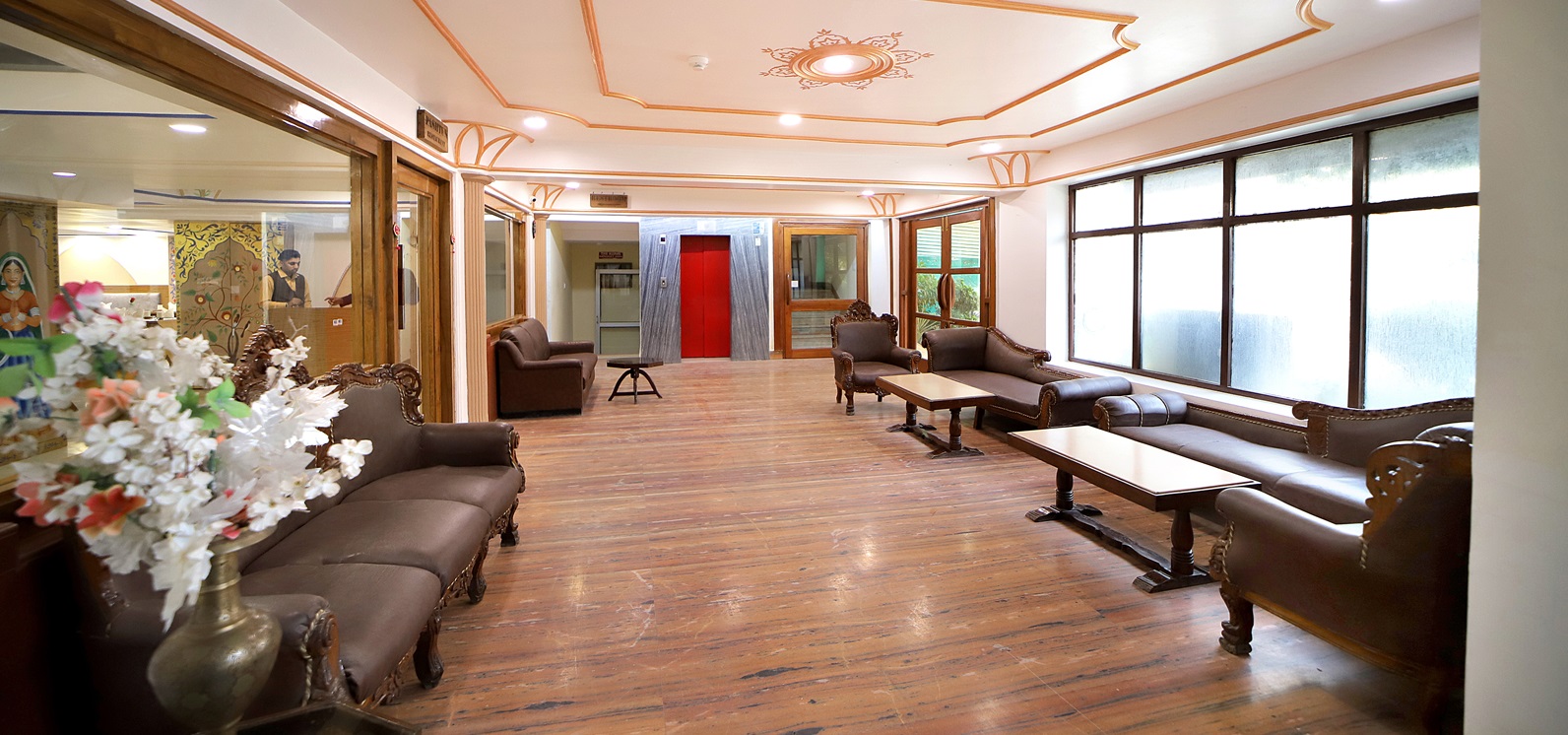
Hotel Ganga Ratan is the best 3 star hotel in agra on Fatehabad Road, Agra, in the Taj Mahal area. It has been welcoming guests since 1995 and has 66 air-conditioned rooms, an in-house restaurant serving Indian, Chinese and continental food, room service, free Wi-Fi and free parking.
For travellers following this guide, the hotel works well as a base:
|
From Hotel Ganga Ratan |
Distance / Time |
|
Taj Mahal |
About 4 min on foot |
|
Agra Fort |
4.4 km / about 12 min |
|
Agra Fort Railway Station |
3.5 km / about 11 min |
|
Agra Cantt Railway Station |
4.9 km / about 12 min |
|
Kheria (Agra) Airport |
7 km / about 14 min |
Being close to the Taj means you can go for a sunrise visit and be back for breakfast before the crowds build. After a full day of monuments and markets, you can return to a comfortable room and a hot meal at the hotel restaurant. Sikandra, Fatehpur Sikri and the riverside sites are easy to reach by cab from the hotel.
Best Time to Visit Agra
October to March is the most comfortable season, with pleasant days and cool mornings. December and January can bring fog, which sometimes hides the Taj at dawn. April to June is very hot, with temperatures often above 40°C, so plan early starts and indoor breaks. The monsoon season (July to September) is greener and less crowded, with humidity and occasional heavy rain.
FAQs About areas to explore in Agra
1. What are the best places to visit in Agra other than the Taj Mahal?
Itimad-ud-Daulah's Tomb (Baby Taj), Mehtab Bagh, Sikandra, Chini Ka Rauza, Ram Bagh, the old city around Jama Masjid, and Fatehpur Sikri are the strongest choices. Add Soor Sarovar if you like birdwatching.
2. How can I explore Agra like a local?
Start early, eat breakfast at busy local counters, walk the old city in the morning, rest in the afternoon heat, and buy crafts from workshops where you can watch them being made. Use autos or e-rickshaws for short trips and a pre-booked cab for longer ones.
3. What are the best areas to explore in Agra?
Taj Ganj and Fatehabad Road (the Taj area), the old city around Agra Fort and Jama Masjid, the Yamuna riverside sights, Sikandra, and Sadar Bazaar are the main areas worth exploring.
4. What can I do in Agra beyond the tourist spots?
Try a sunrise from the riverside ghats, an old-city food walk, a visit to a marble inlay workshop, a half day at Fatehpur Sikri, or birdwatching at Soor Sarovar.
5. Why is Itimad-ud-Daulah called the Baby Taj?
It was built in the 1620s and is one of the first Mughal tombs finished mainly in white marble with detailed inlay. Many historians see it as a precursor to the Taj, and its smaller scale earned it the nickname.
6. Is Mehtab Bagh worth visiting?
Yes, especially at sunset. It gives you a full view of the Taj Mahal from across the river with far fewer crowds than the main complex.
7. How many days do you need in Agra?
Two days is a good balance. It gives you time for the Taj Mahal, Agra Fort and a proper look at the lesser-known sites. One day covers only the highlights.
8. Can I see the Taj Mahal without entering it?
Yes. Mehtab Bagh, the Yamuna ghats, and several rooftop cafes offer views of the Taj without a ticket to the main monument.
9. Is Fatehpur Sikri worth a day trip from Agra?
Yes. It's one of the best-preserved Mughal cities in India and takes about half a day, including travel.
Final Thoughts: Areas To Explore In Agra
The Taj Mahal deserves its fame, but it isn't the only reason to visit Agra. The tombs, gardens, old lanes, craft workshops and food give the city its character, and they're what turn a quick photo stop into a trip you remember.
Give Agra two days if you can; start early, and leave room to wander. And when you're ready to plan, Hotel Ganga Ratan on Fatehabad Road makes a comfortable base near the Taj Mahal.
Related Blogs
Walking Distance to Wonder: Hotels Right Next to the Taj Mahal
Looking for places to stay near Taj Mahal? Discover walking-distance hotels near Taj Mahal Agra, inc...
Read More
Taj Mahal Nearest Metro Station: Route, Distance, Fare and Complete Guide
Discover the Taj Mahal nearest metro station, distance, fare & timings — plus travel tips and best...
Read More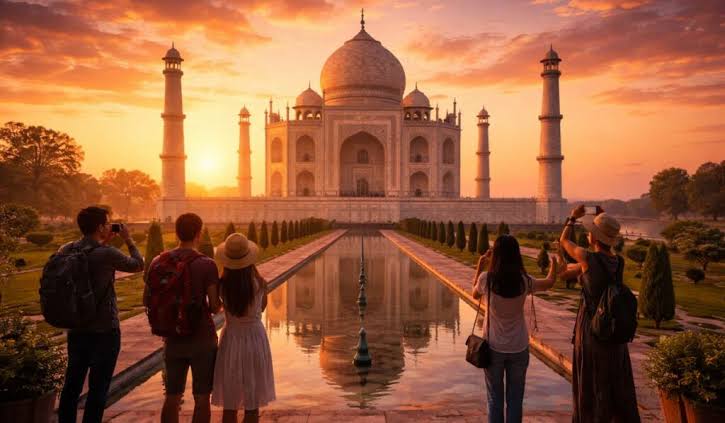
The “Drop Your Bags & Relax” Guide to Agra Travel
Planning a trip to Agra? Get expert Agra travel tips, top hotels near the Taj Mahal, best time to vi...
Read More