
Taj Mahal Guide: Insider Tips, Ticket Tricks, and Where to Stay in Agra
Published 14 Jul 2026 · Updated 11 Sep 2026

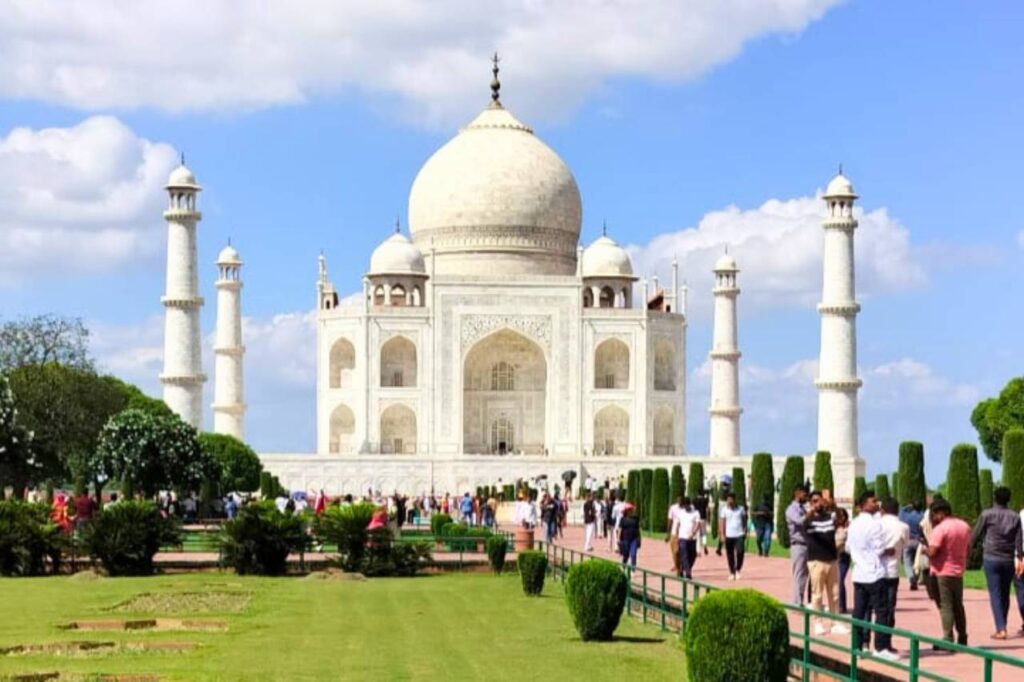
Planning a Taj Mahal visit? Get insider tips on gates, timing & tickets, plus where to stay in Agra — including Hotel Ganga Ratan near the East Gate.
The Taj Mahal gets around 70,000 visitors each day, so seeing it in that postcard way, like it’s quiet and glowing and sort of almost empty, takes a bit of strategy or whatever. Between choosing the right gate, timing your arrival just right, and figuring out where to sleep while you’re in Agra, a little planning really helps. Here’s the whole deal seasoned travelers say they wish they had known before their first trip, like honestly.
Pick the Right Gate — and Time Your Entry Like a Pro
Most travelers, they miss the real trick, which is going in via the East Gate at dawn. That gate is the one nearest to Agra’s hotel zone, and it usually gets a calmer stream than the West Gate. The West Gate is used more by people from inside the country, and it starts getting really crowded from mid-morning on. The South Gate, it used to be a favorite entry place, but nowadays it’s basically exit-only, so don’t build your plan around it, even if some older blog post says otherwise.
A few timing tricks worth knowing:
-
Skip the sunrise stampede. Gates open about 30 minutes before sunrise, and the first wave of photographers rushes straight to the central reflecting pool. Wait 20–30 minutes after entering, then wander the eastern or western edges of the complex — many early risers will already be heading out, leaving you a much quieter view.
-
The afternoon sweet spot. Midday (11 AM–3 PM) is the hottest and most crowded stretch. But from around 4 PM onward, crowds thin out noticeably, the heat eases, and the light turns warm and golden — ideal for photos.
-
Stay overnight instead of day-tripping. Many visitors commute from Delhi for a rushed day trip and arrive already tired, well after the morning calm has broken. Booking a stay near Taj Mahal the night before means you can be among the first through the gate.
-
Avoid Fridays and the Saturday spillover. The Taj Mahal is closed to tourists every Friday. That pushes extra crowds into Saturday, especially the morning. Tuesday through Thursday tend to be the calmest days to visit.
Getting Your Tickets Sorted
Go ahead and grab your e-tickets ahead of time on the ASI official booking portal instead of standing in line right there on site; it really saves time. Indian nationals usually pay about ₹40–₹50, whereas foreign tourists pay roughly ₹1,100. That higher fee, mind you, comes with a bottle of water, a shoe cover, and restroom entry included.
Keep in mind, you won't just get one thing; you need two tickets. One is for the complex, and a separate one is for the main mausoleum platform. Also, bring a physical photo ID with you, because Indian visitors specifically must show an ID that has an Indian address. A PAN card by itself will not work at the gate, so don't assume it will.
A few more logistics to keep in mind:
-
Ticket lines are separated by nationality and by gender — look for the signage, since it's easy to end up in the wrong queue.
-
Shoe covers are mandatory on the marble platform around the mausoleum; foreign tickets include them, but Indian visitors should buy a pair from the stalls near the gate.
-
Large bags, tripods, food, and laptops aren't allowed inside — pack light to skip the bag-scan line entirely.
-
Vehicles can't approach the monument directly; you'll walk or take an electric cart for the final stretch to preserve the marble from pollution.
Photography and On-Site Etiquette
Photography is allowed around the gardens and grounds but is strictly prohibited inside the main mausoleum. Tripods, drones, and video recording anywhere on the property are all off limits, and the guards sometimes ask people to delete footage right there. If you want a memorable photo, step into one of the red sandstone structures that flank the Taj and get a framed view through the archway—kind of a well-liked trick among repeat visitors, plus it’s a decent place to keep an eye on the resident monkeys.
Why Staying Near the Taj Mahal Changes Your Experience
Where you sleep the night before your visit kind of matters almost as much as what gate you end up choosing. If you stay close to the Taj Mahal, you can basically step outside and be at the gate within a few minutes of it opening, rather than spending 30–40 minutes in a car from some hotel that’s across town.
People who are lodged farther out often miss that early-morning window completely because of traffic plus the usual check-out bits. Meanwhile, those who are based near the East Gate can line up their entry almost down to the minute, hitting that 20–30-minute lull right after the first photographer rush, when the place feels calmer, a lot quieter overall.
Best Area to Stay in Agra for First-Time Visitors
For anyone visiting for the first time, the best area to stay in Agra is the neighborhood around the East Gate. It's close to the monument, well connected to restaurants and local transport, and avoids the longer, more congested approach roads used by tour buses heading to the West Gate. If you're also arriving by train, the Agra Cantt and Mall Road stretch is a solid alternative, though it adds a short commute to the Taj itself.
Hotels Near Taj Mahal Agra: Pros and Cons
Weighing hotels near the Taj Mahal, Agra, against options further out comes down to a simple trade-off:
-
Pros of staying close: shorter travel time for sunrise, easier last-minute changes if fog or weather shifts your plans, and more flexibility to return for the golden afternoon light without wasting half the day in transit.
-
Cons of staying close: prices can run slightly higher than hotels on the outskirts, and some properties near the monument are smaller, boutique-style stays rather than large resort chains.
Why Hotel Ganga Ratan is a Smart Choice
Hotel Ganga Ratan sits in exactly the kind of location that makes the East Gate strategy work. It's a short hop from the gate, giving you one of the best hotel location in Agra advantages available without paying luxury-chain prices.
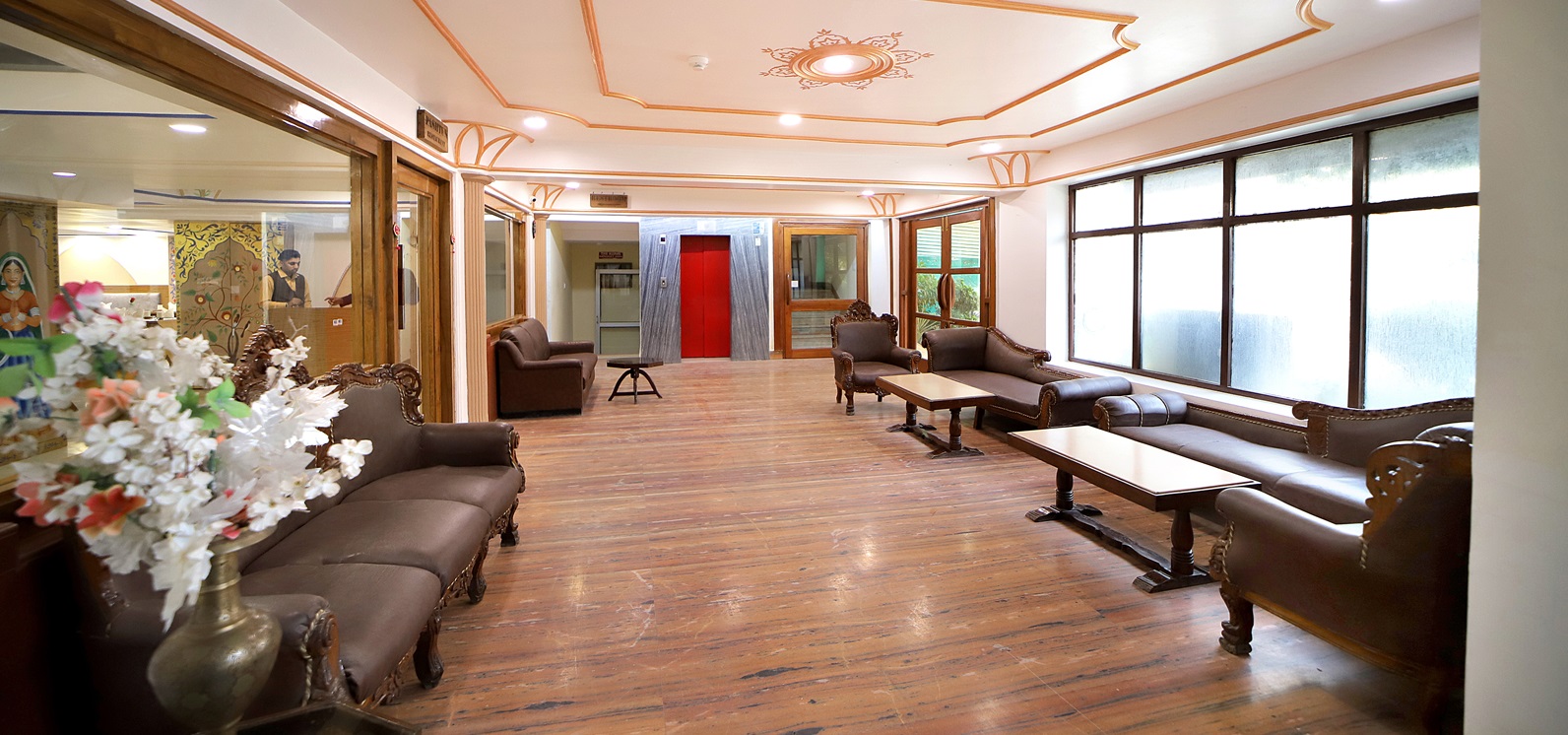
Guests get comfortable, clean rooms, attentive service, and easy access to local transport and restaurants — a practical base whether you're doing a quick overnight stop or spending a couple of days exploring Agra beyond the Taj. For anyone planning that magical early-morning light with thin crowds, a stay near Taj Mahal at a well-located, reliable hotel like Hotel Ganga Ratan removes the guesswork entirely.
Tips for Avoiding Crowds While Staying Near the Taj Mahal
-
Ask your hotel for the fastest walking or cart route to the gate — staff usually know shortcuts tourists miss.
-
Request an early wake-up call or breakfast box so you're not delayed by hotel timings.
-
Book your stay near Taj Mahal a few nights ahead of a full moon or major holiday weekend, when both the monument and nearby hotels fill up fast.
-
Pair your early Taj visit with a same-morning stop at Agra Fort or Mehtab Bagh — both are close enough to fit into one uncrowded loop if your hotel is well positioned.
Final Verdict: Is Staying Close to the Taj Mahal Worth It?
If your goal is the quiet, uncrowded version of the Taj Mahal that most travelers only see in photos, then yes — staying close is worth it. The extra convenience of a well-placed stay near Taj Mahal, like Hotel Ganga Ratan near the East Gate, directly translates into more time at the monument during its calmest hours and less time stuck in traffic or waiting in line.
FAQs About Agra Taj Mahal
1. Which gate should I use to enter the Taj Mahal?
The East Gate is generally the best choice. It's closest to Agra's main hotel area, sees fewer tour buses than the West Gate, and moves faster in the early morning. The South Gate is exit-only, so don't plan an entry around it.
2. What is the best time of day to visit the Taj Mahal?
Early morning, right after the gates open, offers the calmest atmosphere and softest light. If you'd rather skip the sunrise rush entirely, late afternoon (after 4 PM) is a good second option — cooler, less crowded, and great for photos.
3. Do I need to book tickets in advance?
Yes. Buying e-tickets ahead of time on the official ASI booking site saves you from long queues at the counter. Remember you'll need two tickets — one for the complex and a separate one for the mausoleum platform.
4. Is the Taj Mahal closed on any particular day?
Yes, it's closed to tourists every Friday. This often makes Saturday mornings busier than usual due to spillover demand, so Tuesday through Thursday are typically the quietest days to visit.
5. Is it better to stay near the Taj Mahal, and is it worth it?
Yes. Staying close cuts down your travel time significantly, which matters most for catching the quiet, early-morning window before the main crowds arrive. For most travelers, that convenience outweighs any small cost difference compared to hotels further away.
6. Which area is best to stay in Agra?
The area around the East Gate is generally considered the best area to stay in Agra, thanks to its proximity to the monument and easier access compared to the busier West Gate approach.
7. Are hotels near the Taj Mahal crowded?
The hotels themselves aren't crowded — it's the roads and gates around the monument that get busy at certain times. Staying nearby actually helps you avoid the worst of that congestion by letting you arrive early, before the bulk of tour groups.
8. Is Fatehabad Road a good place to stay in Agra?
Fatehabad Road is a popular, well-developed hotel corridor with plenty of dining and shopping options, and it sits within a reasonable distance of the Taj Mahal. It's a fine choice if you want more hotel variety, though properties closer to the East Gate itself will shave off a bit more travel time for sunrise visits.
9. How far should I stay from the Taj Mahal?
Ideally within a 10–15-minute walk or short cart ride, especially if you're planning a sunrise visit. Anything much farther risks losing that early, low-crowd window to traffic.
10. Can I walk from my hotel to the Taj Mahal?
If your hotel is near the East Gate, yes — many guests walk or take a short electric cart, since vehicles aren't allowed right up to the monument anyway. Hotels farther out will require a taxi or auto-rickshaw ride first.
11. What is the best hotel location in Agra?
A location within easy reach of the East Gate offers the best hotel location in Agra for most travelers, since it directly supports the early-arrival strategy that avoids the biggest crowds. Hotel Ganga Ratan is a good example of a property positioned with exactly this advantage.
Related Blogs
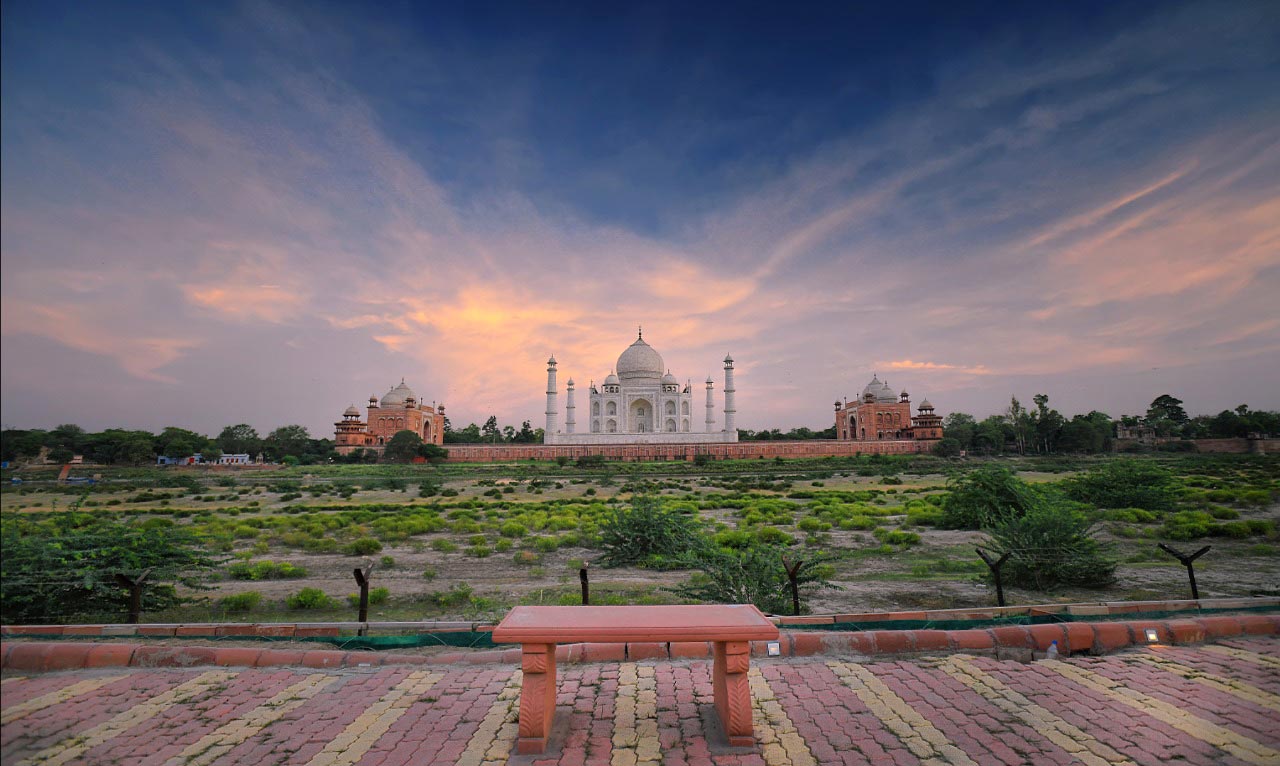
Best Places to Visit Near the Taj Mahal and Around Agra
Best Places to Visit Near the Taj Mahal and Around Agra to explore famous monuments, historical land...
Read More
Luxury Travel Experience in Agra: What to Expect
Enjoy a luxury travel experience in Agra with 3-star hotels near Taj Mahal, premium stays for couple...
Read More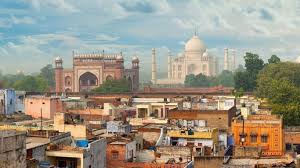
Traditional Experiences in Agra: Discover Culture Beyond the Taj Mahal
Discover Agra heritage experiences, from Mughal monuments and cultural sites to local traditions tha...
Read More